
Maintaining a balanced diet is one of the most effective ways to support adequate intake of vitamins and minerals. Micronutrients, though required in small amounts, are essential for maintaining normal bodily functions and supporting overall well-being.
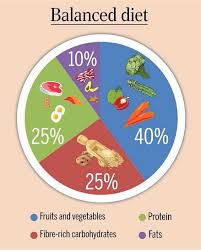
A balanced diet typically includes a variety of food groups, such as fruits, vegetables, whole grains, protein sources, and healthy fats. Each group contributes different nutrients that work together to support the body. For example, fruits and vegetables are rich in vitamins and antioxidants, while whole grains provide important minerals and fiber.
Diversity in food choices is key. Eating a wide range of colorful foods can help ensure that the body receives a broad spectrum of nutrients. For instance, leafy greens provide folate and magnesium, while orange-colored vegetables like carrots contain beta-carotene, which the body can convert into vitamin A.
Portion balance is also important. Consuming appropriate amounts of each food group helps maintain energy levels and supports normal metabolism. Over-reliance on processed foods may lead to lower intake of essential nutrients.
Hydration is another factor that supports nutrient absorption and overall health. Drinking enough water helps the body transport nutrients and maintain normal physiological processes.
By focusing on whole, minimally processed foods and maintaining variety, individuals can support their micronutrient intake naturally. This approach encourages sustainable habits that contribute to long-term health without the need for restrictive diets.